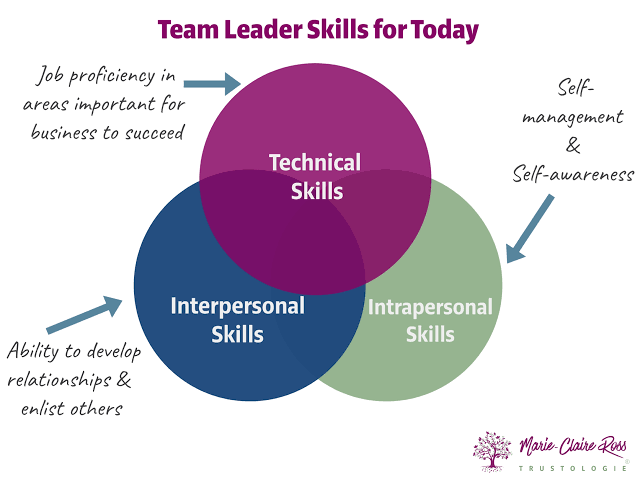
Getting promoted into a leadership role for the first time is genuinely disorienting. Suddenly the skills that got you promoted — being great individually — aren’t the skills you need anymore. Learning how to build leadership skills as a new manager takes real, deliberate effort, not just time in the role.
I remember talking to a newly promoted team lead who admitted she felt like an imposter for the first three months. That feeling is more common than most people admit.
Why New Leaders Struggle at First
Direct answer: New leaders often struggle because they continue focusing on individual tasks instead of shifting toward enabling their team’s performance — the transition requires building entirely new skills like delegation, feedback-giving, and conflict resolution.
Nobody really prepares you for this shift. Most first-time managers learn it the hard way, through mistakes.
Start by Building Trust, Not Authority
Your title gives you authority on paper. It doesn’t give you trust. That has to be earned through consistent, small actions over the first few months.
- Follow through on every commitment, even minor ones
- Admit mistakes openly instead of covering them up
- Give credit to the team publicly, take blame privately
A Small But Important Habit
One new manager I know started every one-on-one meeting by asking “what’s blocking you right now?” instead of just checking task status. Small shift, but it completely changed how openly her team communicated problems early instead of hiding them.
Learn to Delegate Without Micromanaging
This is genuinely one of the hardest skills to build. Letting go of tasks you’re good at, to focus on enabling others, feels uncomfortable at first — almost like you’re being less useful.
- Delegate the outcome, not just the task steps
- Check in at agreed milestones, not constantly
- Resist the urge to redo work exactly your way
Develop the Habit of Giving Direct Feedback
Vague feedback helps nobody. Learning how to build leadership skills means getting comfortable with specific, sometimes uncomfortable conversations, delivered with genuine respect rather than harshness.
- Be specific about the behavior, not the person’s character
- Give feedback close to the actual event, not weeks later
- Balance constructive feedback with genuine recognition
[link to related guide about leadership styles that drive performance here]
Handle Conflict Directly, Not Around It
New leaders often avoid conflict, hoping issues resolve themselves. They rarely do. Addressing team tension early, even briefly, prevents small disagreements from becoming much bigger problems later.
I’ll admit, this is a skill I’ve seen even experienced managers avoid. It doesn’t get easier with time unless you deliberately practice it.
Invest in Your Own Learning Continuously
Read, ask experienced leaders for advice, seek a mentor if possible. Leadership skills develop through deliberate reflection on real situations, not just accumulated years in a role.
[link to related guide about types of leadership styles here]
Measure Your Growth Honestly
Ask your team for honest feedback periodically, even if it’s uncomfortable to hear. Genuine growth as a leader requires knowing where you’re actually falling short, not just assuming things are going fine.
FAQ
Q: How long does it take to become a good leader? Most new managers see meaningful improvement within 6-12 months of consistent, deliberate practice and feedback-seeking.
Q: What is the biggest mistake new leaders make? Continuing to focus on individual tasks instead of shifting attention toward enabling and developing their team’s performance.
Q: Do leadership skills come naturally or can they be learned? They can absolutely be learned. Most effective leaders develop their skills through experience, feedback, and deliberate practice over time.
Q: How important is delegation for new leaders? Extremely important — leaders who fail to delegate effectively often become bottlenecks and struggle with team scalability and morale.
Q: Should new leaders ask their team for feedback? Yes, regularly. It’s one of the fastest ways to identify blind spots and build genuine trust within the team.
Conclusion
Learning how to build leadership skills takes patience and honest self-reflection — there’s no shortcut around the discomfort of the first few months. Start with one habit this week: ask your team a genuine question about what’s blocking them, then actually act on what you hear. Small, consistent actions like that build real leadership credibility over time.