Most people don’t think much about their water system when everything is working properly. The shower runs, the kettle fills, and the washing machine gets through another load without a problem. It’s only when something changes that the system suddenly gets our attention. Perhaps soap stops lathering as well, the drinking water tastes different, or a filter starts slowing to a frustrating trickle.
These small changes don’t always mean there’s a major problem. Sometimes a routine service or a worn component is all that’s needed. Still, ignoring early warning signs can allow minor issues to become more expensive repairs. Understanding how your water equipment works, and when it needs attention, can make household maintenance much less stressful.
Recognizing the Signs of a Water System Problem
Water treatment equipment often gives clues when something isn’t working as intended. A softener may stop reducing hardness effectively, a filter might restrict water flow, or a reverse osmosis unit may produce less drinking water than usual. You may also notice unusual sounds, leaks around connections, or a return of mineral deposits on faucets and shower screens.
It’s useful to pay attention to changes rather than assuming the equipment has simply reached the end of its life. For example, reduced water pressure could result from a clogged cartridge, but it might also be caused by a plumbing issue elsewhere in the home. Similarly, water that begins leaving scale deposits again may indicate that a softener needs attention, although testing is the best way to confirm whether hardness is the cause.
Keep a short record of recurring problems, including when they started and which fixtures are affected. These details can help a technician identify the cause more efficiently and avoid unnecessary work.
When a Water Softener Needs Professional Attention
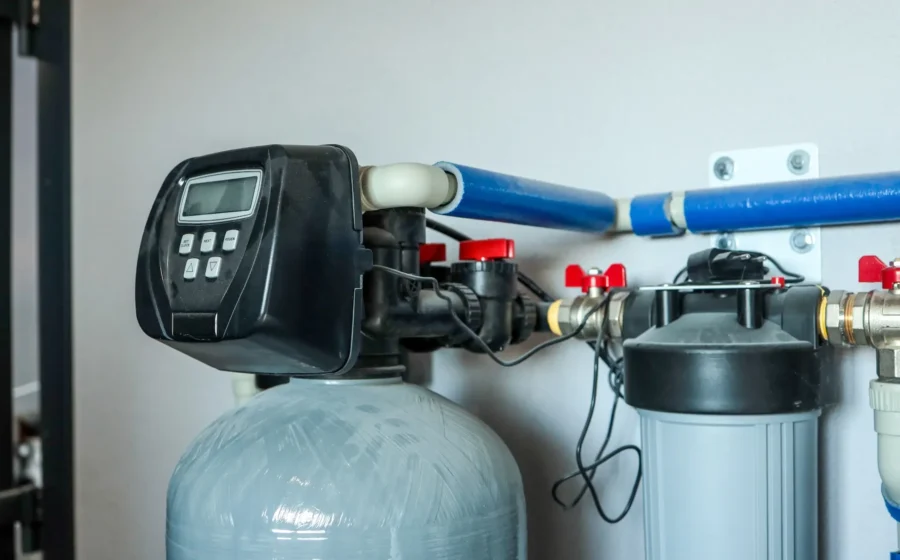
Hard water can make everyday chores surprisingly frustrating. Mineral deposits collect around faucets, showerheads, and glassware, while soap may leave a film on bathroom surfaces. A properly operating softener can reduce hardness by exchanging calcium and magnesium ions for other ions, commonly sodium.
When these familiar problems return despite having a softener, water softener repair may be worth considering. The cause could be a depleted salt supply, a regeneration problem, a blocked injector, a faulty control valve, or another component that isn’t working correctly. Not every issue requires a major repair, but the source needs to be identified before a lasting solution can be chosen.
Homeowners can perform simple checks, such as confirming that the unit has the recommended type and amount of salt and checking for obvious leaks. Follow the manufacturer’s instructions, though, and avoid dismantling valves or electrical components without suitable knowledge.
If the system continues to produce hard water, arrange an inspection. A qualified technician can test the water, check the regeneration cycle, and assess whether a component needs cleaning, adjustment, or replacement. Proper sizing and programming also matter. A unit that is too small for the household’s demand may struggle even when its components are in good condition.
Looking After Reverse Osmosis Equipment
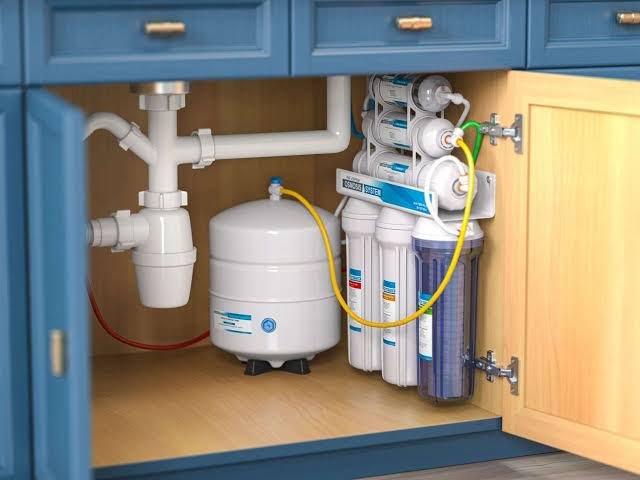
Reverse osmosis systems are popular for drinking and cooking water because they can reduce many dissolved substances when properly selected for the contaminants involved. They typically use prefilters, a semipermeable membrane, and sometimes a post-filter to improve taste. Some models also include a storage tank.
Over time, the system’s performance can change. You might notice slower water production, a different taste, or a storage tank that doesn’t seem to fill as quickly as it once did. These symptoms can have several causes, including clogged prefilters, low feed-water pressure, a membrane nearing the end of its service life, or a problem with the tank or valves.
Routine reverse osmosis service can help determine which component needs attention. A technician may inspect the connections, check operating pressure, assess membrane performance, and confirm that the system is draining correctly. The appropriate service depends on the model and the symptoms, so it’s better to diagnose the issue than replace parts at random.
There is also an important distinction between maintenance and water safety. A system that appears to be working normally isn’t automatically proof that the treated water meets every safety requirement. If you’re concerned about a particular contaminant, use appropriate testing and verify that the equipment is certified to reduce it.
Why Filter Changes Shouldn’t Be Overlooked
Filters have a limited working life. Depending on their design, they may capture sediment, reduce certain tastes and odors, or protect other treatment components from damage. As the filter collects particles or its media becomes exhausted, performance can decline.
Following the manufacturer’s recommended schedule for filter replacement helps maintain the system’s intended performance. However, the correct interval varies with the filter type, water quality, household consumption, and the manufacturer’s specifications. A cartridge used in a home with heavy sediment may need attention sooner than one treating relatively clean water.
Don’t wait for a complete blockage before checking the filter. Reduced flow, a return of unpleasant taste, or visible buildup can indicate that maintenance is due, although these signs aren’t conclusive on their own. Some filters also have a rated capacity or service-life limit that should be followed even if the water still tastes fine.
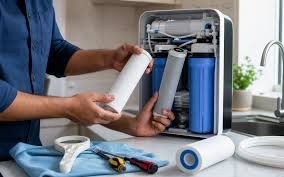
When replacing a cartridge, use a compatible part and follow the manufacturer’s instructions for installation and flushing. An incorrectly seated filter can leak or allow water to bypass the intended treatment stage. If the housing is damaged or difficult to open, professional help may be the safer choice.
Preventive Maintenance Can Save Time
A little routine attention often makes water equipment easier to manage. Check for visible leaks, keep the area around the unit accessible, and note when filters or other consumables were last changed. If your system includes a storage tank or dispenser, follow the recommended cleaning instructions.
It’s also sensible to arrange periodic checks for equipment that has more complex controls or requires regeneration, such as a softener. A technician can identify wear before it leads to a breakdown and help confirm that the system is operating within its intended settings.
Water quality can change, too. If your water source changes or you notice a persistent shift in taste, odor, or appearance, consider testing rather than assuming the treatment equipment is responsible. For private wells, follow local testing guidance and investigate promptly after flooding or well repairs.
Choosing a Reliable Service Professional
When professional help is needed, look for someone who explains the problem clearly and provides a written estimate. Ask which parts require attention, why the work is necessary, and whether cleaning or adjustment could solve the issue instead of replacing the entire unit.
It is reasonable to ask about service charges, replacement-part availability, and warranty coverage. Keep records of previous repairs so the next technician can understand the system’s history. If the same fault keeps returning, ask whether an underlying issue—such as incorrect sizing, unsuitable water conditions, or improper installation—might be contributing to it.
A good service experience should leave you with a better understanding of the equipment, not just a bill and a working tap.
Keep Your Water System Ready for Everyday Life
Water treatment systems are easier to live with when maintenance becomes part of the household routine. Pay attention to changes, follow replacement schedules, and seek help when a problem goes beyond simple checks.
The aim isn’t to repair every small variation immediately or spend money on equipment you don’t need. It’s to keep the system working as intended and make decisions based on reliable information. With regular care and timely service, your water equipment can remain a dependable part of everyday life, quietly doing its job in the background.