There’s a point when hard water stops being a minor annoyance and starts getting on your nerves. Perhaps you’ve scrubbed the same white marks off your bathroom taps for the third time this week, or your kettle seems to develop a layer of scale almost overnight. Even washing dishes can become frustrating when clean glasses come out looking cloudy.
For many households, these everyday problems are a reason to explore water treatment. But choosing equipment is only part of the process. Understanding the water entering your home, selecting the right system, and making sure it’s installed correctly can have just as much impact on the results.
A little preparation goes a long way. Rather than rushing into a purchase, it pays to understand what your water needs and how to keep a treatment system working well over time.
Why Hard Water Causes So Much Trouble
Hard water contains higher concentrations of dissolved minerals, mainly calcium and magnesium. These minerals occur naturally as water passes through rocks and soil, so hardness can vary significantly between locations and even between nearby properties.
The signs are usually familiar. Soap may not lather easily, shower screens develop stubborn spots, and mineral deposits collect inside kettles, water heaters, and plumbing fixtures. Over time, scale can interfere with the efficiency of certain appliances, particularly where hot water is involved.
Hard water isn’t generally considered a health hazard simply because it contains these minerals. The concern is more often practical: extra cleaning, mineral buildup, and the inconvenience of maintaining affected appliances.
That distinction matters when choosing a solution. If the main problem is hardness, a conventional softener may help. If the water also contains iron, sediment, or another contaminant, additional or different treatment could be necessary. One piece of equipment rarely solves every water-quality issue.
Start With Testing Before Choosing Equipment
It can be tempting to assume that visible scale means you need a particular product. However, testing gives you a more reliable starting point and helps prevent unnecessary spending.
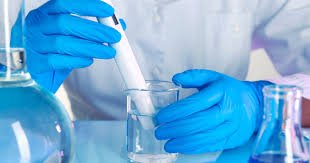
Ask whether a provider offers water analysis reports that clearly explain the results, including the measurements taken and any limitations of the test. A useful report should help you understand your water’s hardness level and identify other parameters that may deserve attention.
Depending on your water source, testing might include pH, iron, manganese, nitrate, or specific contaminants. If you rely on a private borewell or well, regular testing is especially important because water quality can change with rainfall, groundwater conditions, nearby activities, and other local factors.
Remember that a basic screening isn’t the same as a comprehensive safety assessment. If you have concerns about drinking-water safety, use a suitably accredited laboratory and request tests relevant to your water source. Clear water isn’t necessarily contaminant-free, and a hardness test alone cannot establish whether water is safe to drink.
Once you understand the results, you can make a more informed decision about which treatment method is appropriate.
What Happens During Water Softener Installation?
Professional water softener installation generally begins with checking the water supply, available space, plumbing connections, and the household’s water use. These details help determine the appropriate system size and where the equipment should be placed.
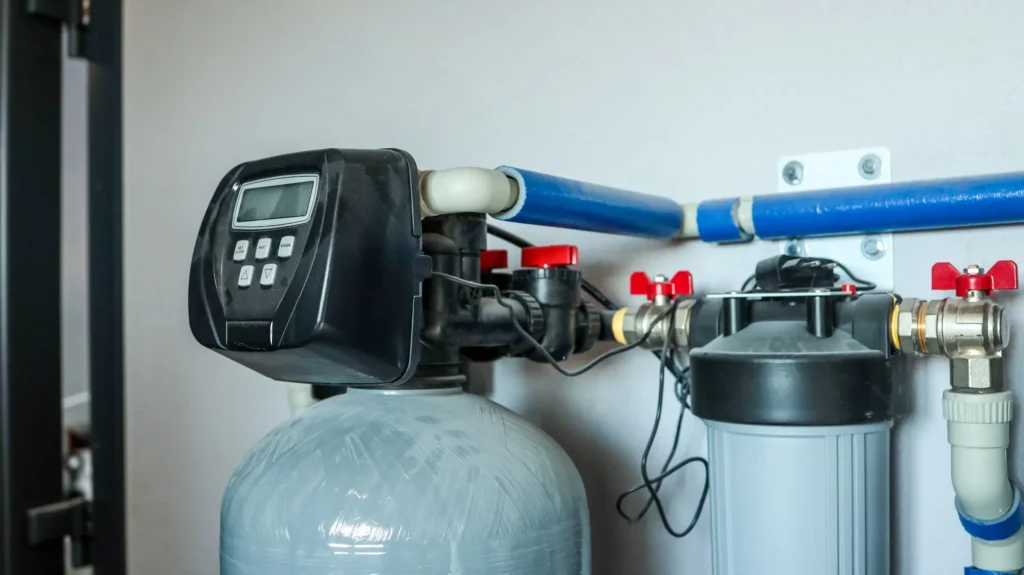
A traditional salt-based softener uses an ion-exchange process. As water passes through a resin bed, calcium and magnesium ions are exchanged for sodium or potassium ions. The resin eventually needs regeneration, which usually involves a salt solution and produces wastewater.
The installation itself may involve connecting the unit to the incoming water line, providing a suitable drain for regeneration discharge, and arranging a bypass so the system can be isolated during maintenance. Local plumbing requirements and the manufacturer’s instructions should guide the work.
Placement is worth thinking about carefully. The unit needs enough room for servicing and, in salt-based models, convenient access for replenishing salt. A suitable drain and nearby power supply may also be required, depending on the equipment.
After installation, the technician should check for leaks, confirm the settings, and explain how the system operates. Don’t hesitate to ask questions. Knowing how to check salt levels, use the bypass valve, and recognize common warning signs can save you time later.
Is a Whole-Home System Always Necessary?
Not necessarily. The right choice depends on where the problem occurs and what you’re trying to improve.
A whole-home softener treats water entering the property, which can help reduce hardness-related scale at multiple taps and appliances. It’s often worth considering when hard water affects bathrooms, laundry, and hot-water equipment throughout the house.
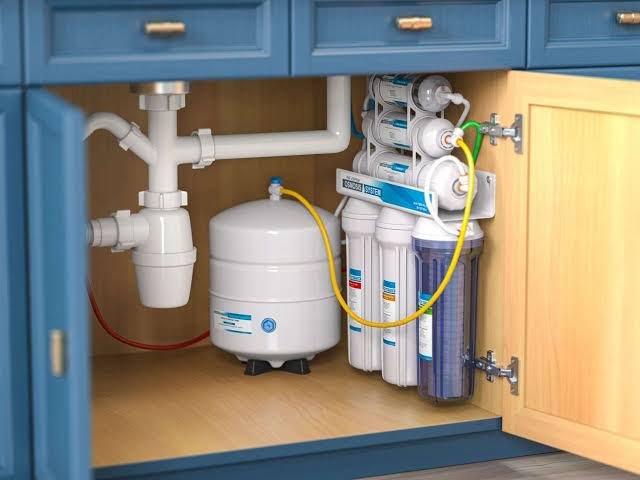
A point-of-use filter, by contrast, treats water at a specific outlet, usually for drinking or cooking. It may be more appropriate if your main concern is taste or a particular contaminant at the kitchen tap.
These systems serve different purposes. A water softener isn’t designed to remove every dissolved substance or disinfect contaminated water. Similarly, a drinking-water filter may not protect the rest of your plumbing from mineral scale.
Before choosing a combination of equipment, identify the actual problem. Testing and a clear understanding of your household’s needs are more useful than buying multiple products simply because they sound comprehensive.
The Cost Goes Beyond the Purchase Price
Budgeting for water treatment means looking beyond the initial quotation. Equipment costs vary according to capacity, features, construction, and installation requirements, but ongoing expenses deserve equal attention.
For a salt-based softener, factor in salt consumption, water used during regeneration, electricity where applicable, and occasional servicing. Ask how often the resin or control components may need attention and whether replacement parts are readily available.
Get a written estimate that separates equipment, installation, accessories, and any recommended maintenance. It should also explain the warranty and clarify whether labor is included if a problem develops.
A cheaper system isn’t automatically a poor choice, just as an expensive one isn’t automatically superior. What matters is whether the equipment can handle your water conditions and household demand without creating unnecessary expense.
It’s also sensible to compare the expected operating costs of different models. A properly sized unit with suitable settings may be more practical than buying a larger system than your household requires.
Everyday Maintenance Makes a Real Difference
Once the equipment is working, a little routine care helps keep it that way. For salt-based systems, check the salt level according to the manufacturer’s guidance and watch for unusual changes in water performance. Don’t add salt blindly without understanding the tank’s requirements.
Keep the area around the unit clean and inspect visible connections for leaks. If water begins to feel hard again or mineral deposits return, possible causes include depleted salt, incorrect settings, a mechanical issue, or a change in the incoming water.
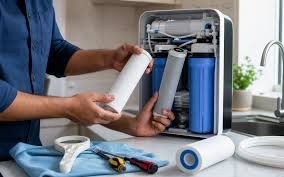
Filters and other treatment components have their own replacement schedules. Follow the instructions for the specific model rather than assuming every cartridge or membrane lasts the same amount of time.
Professional servicing can help identify problems before they become expensive repairs. It’s especially useful when a system has electronic controls, complex regeneration settings, or components that aren’t intended for routine homeowner maintenance.
Find Reliable Information Before Making a Decision
Water treatment can seem technical at first, but reliable information makes the process easier. Look for practical guides that explain different technologies, maintenance requirements, and the questions worth asking before hiring an installer.
If you want to explore more topics, view all blogs on a reputable water treatment provider’s website and look for articles that address your specific concerns. Educational resources can help you prepare for a consultation, although technical claims should still be checked against product documentation and independent certifications.
A trustworthy provider should explain what the recommended system can do, what it cannot do, and what it will cost to maintain. Be cautious of promises that one device will solve every possible water problem.
Better Water Starts With a Practical Plan
The best water treatment decision isn’t necessarily the most complicated one. It’s the one based on reliable test results, appropriate equipment, careful installation, and realistic maintenance expectations.
Start by identifying the problems you’re experiencing. Confirm the water conditions, compare suitable options, and ask questions before committing to a system. When installation and aftercare receive the same attention as the initial purchase, your equipment is more likely to deliver consistent results.
Clean-looking taps and easier household cleaning are welcome benefits, but peace of mind comes from knowing why you’re treating your water and how your system works. With a sensible plan, better water can become a lasting improvement rather than another household expense that leaves you guessing.